


Ranking for a keyword is not only about using the right phrase. Your page also needs to deliver the type of answer the searcher expects. Dune Seed approaches SEO by connecting keywords with real user goals, because a technically optimized page can still underperform when its content or offer does not match search intent. Understanding that gap can improve relevance, engagement, and organic visibility.
What Is Search Intent in SEO?
Search intent, also called user intent or keyword intent, is the goal behind a search query. A person searching “how to clean running shoes” wants instructions, while someone searching “buy running shoes online” is much closer to a transaction. The words may share a topic, but the ideal page type is different.
Google recommends creating helpful, people-first content and using the words people use to find that content. Intent alignment therefore goes beyond keyword placement: the page should help users complete the task that brought them to Search.
The Four Main Types of Search Intent
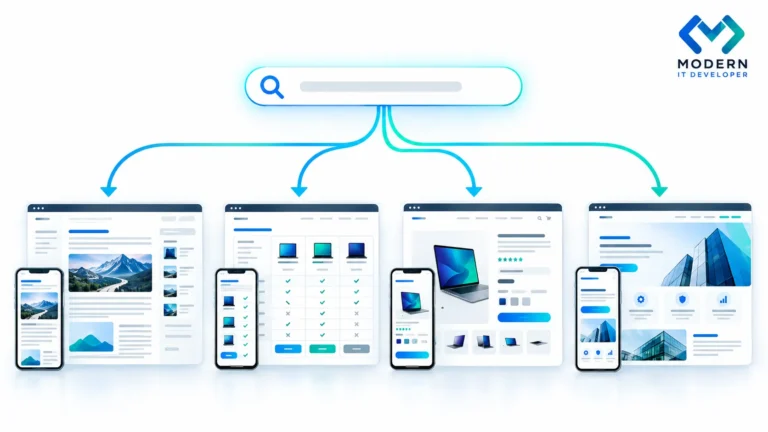
Most SEO queries fit into four broad groups. Informational searches seek knowledge or instructions. Navigational searches aim to reach a specific website or brand. Commercial investigation searches compare options before a decision. Transactional searches show a strong desire to buy, book, subscribe, download, or take another action.

| Search query | Likely intent | Strong page format | Common mismatch |
|---|---|---|---|
| how to choose running shoes | Informational | Guide or tutorial | Product-only page |
| Nike official website | Navigational | Brand homepage | Generic blog post |
| best running shoes | Commercial | Comparison or buying guide | Thin category page |
| buy running shoes online | Transactional | Product/category page | Long educational article |
Why Search Intent Mismatch Hurts Rankings
A page can target the correct keyword and still fail because it answers the wrong question. Imagine optimizing a sales landing page for “best running shoes.” If the results page is dominated by comparisons, expert reviews, “top picks,” and buying guides, users are probably evaluating choices rather than asking for a single sales pitch.
Intent mismatch can also reduce clicks. In Search Console, Google recommends reviewing queries, pages, impressions, clicks, and CTR to understand performance. A page with strong impressions but weak clicks may need a better title or description, but it may also need content that aligns more closely with the queries triggering it.

How to Identify Search Intent Before Writing
Start by searching the primary keyword and studying the first page of results. Look for patterns: are the top results tutorials, product categories, comparison articles, service pages, videos, local listings, tools, or forum discussions? Repeated formats are a strong signal of what the query currently rewards.
Then examine the language in top-ranking titles. Terms such as “best,” “review,” “vs,” and “top” often suggest commercial investigation. “How,” “what,” and “guide” often indicate informational intent. “Buy,” “price,” “book,” and “near me” can signal transactional or local action. Treat the SERP as evidence, not as a template to copy.

Match the Content Format to the Query
Once you identify intent, choose the page format that helps the user complete it efficiently. Informational keywords often need guides, definitions, checklists, examples, or tutorials. Commercial keywords usually benefit from comparisons, selection criteria, pros and cons, pricing context, and recommendations based on use cases.
Transactional keywords should reduce friction. Product or service pages need useful specifications, benefits, proof, pricing or quote information where appropriate, FAQs, and an obvious next step. The goal is not to force every keyword into a blog post. It is to choose the page type that fits the user’s stage in the decision process.
Optimize Existing Pages for Better Intent Match
You do not always need a new page. If an existing URL already has impressions for a valuable query, compare its content with the current search results. Check whether the page type, headline, opening section, depth, examples, visuals, and CTA match what users expect. Sometimes a structural rewrite is more valuable than adding more text.
Use Search Console to filter by query and page, then compare clicks, impressions, CTR, and trends over time. Google recommends looking at query-level performance and improving pages that do not perform as expected. Focus on patterns rather than one-day ranking changes, because results can vary by device, location, and other factors.
Avoid Common Search Intent SEO Mistakes
The first mistake is assuming keyword relevance automatically equals intent match. A page about the same subject can still be the wrong result type. The second is copying top-ranking pages without adding original value. Search intent tells you what users need, but your content still needs useful examples, clearer explanations, or stronger expertise.
Another mistake is over-optimizing exact phrases while ignoring the broader task. Google’s guidance emphasizes helpful, reliable content created for people rather than content produced mainly to manipulate rankings. A well-matched page should leave visitors with enough information to move forward instead of sending them back to Search for the same task.
A Practical Search Intent Workflow
For each important keyword, define the likely intent, preferred content type, funnel stage, and primary user action. Then review the live SERP, map the keyword to the best existing URL, and decide whether that page needs optimization or a new page is justified. This also helps reduce keyword cannibalization.
After publishing, track impressions, clicks, CTR, conversions, and engagement signals that matter to your business. If the page gains visibility but not qualified traffic or leads, revisit the promise made in the title and the experience delivered on the page. Search intent is a practical hypothesis you validate with performance data.
Conclusion: Build Pages Around the Searcher
Effective search-intent SEO starts with a simple question: What does the person behind this query want to accomplish? Keywords reveal the topic, but intent determines the right format, depth, angle, and next step. Matching both gives your content a stronger chance of satisfying users and earning sustainable organic visibility.
Before creating another landing page or blog post, review the SERP, classify the intent, and map the query to the page type that best serves it. If your site has valuable keywords but weak organic performance, explore Dune Seed’s SEO and website optimization solutions to identify intent gaps and turn visibility into business growth.
Frequently Asked Questions
Find clear answers to common questions about search intent and how it affects SEO performance.
What is search intent in SEO?
Search intent is the purpose behind a user's search query. It explains whether someone wants information, wants to reach a particular website, is comparing options, or is ready to take an action such as purchasing a product. Understanding intent helps SEO teams choose the right content format for each keyword.
Why is search intent important for SEO?
Search intent helps determine whether a page actually answers what users expect to find. Even a well-optimized page can struggle when its format or content does not match the query. Aligning content with intent can improve relevance, organic visibility, click-through rates, engagement, and ultimately conversions.
What are the four types of search intent?
The four common categories are informational, navigational, commercial investigation, and transactional intent. Informational users want answers, navigational users want a particular website, commercial users compare possible solutions, and transactional users are closer to purchasing, booking, downloading, subscribing, or completing another conversion.
How do I identify search intent for a keyword?
Search the keyword and study the pages Google currently displays. Look for repeated page formats, such as guides, comparison articles, product pages, videos, tools, or local results. You should also examine the language in ranking titles and determine what task those pages help users complete.
Can search intent change over time?
Yes. User behavior, products, trends, terminology, and Google's understanding of a query can change. A keyword that once produced mostly informational results might later display more commercial content. Important keywords should therefore be reviewed periodically instead of relying permanently on an old intent classification.
How do I fix a search intent mismatch?
Compare your page with the dominant formats appearing for the target query. You may need to change the page structure, expand comparison information, improve the introduction, add useful examples, adjust the CTA, or even use a different page type. In some cases, creating a separate page is more appropriate.
Can one page target multiple search intents?
A page can satisfy closely related or mixed intents when they naturally belong to the same user journey. However, trying to combine unrelated informational and transactional needs can weaken the page. If users clearly expect different experiences, separate pages usually provide a cleaner SEO strategy and a better user experience.