

Imagine buying a new washing machine in Muscat, only to see advertisements for the exact same model repeatedly over the following week. The store keeps paying for advertising impressions, even though you have already purchased the product. At Dune Seed, we help businesses identify inefficient advertising patterns and improve campaign relevance through smarter digital marketing strategies.
This is where Retargeting Ads Optimization becomes essential. By separating potential buyers from existing customers, businesses in Oman can reduce unnecessary advertising expenses while creating new opportunities for repeat sales.

What Is Retargeting Ads Optimization?
Retargeting Ads Optimization is the process of improving advertising campaigns that reach people who have previously interacted with your business. These interactions may include visiting your website, viewing products, adding items to a shopping cart, or completing a purchase.
The objective is not simply to show advertisements again. Effective optimization identifies which customers should see specific advertisements, when they should see them, and whether those advertisements are likely to generate additional business value.
Why Do Existing Customers Keep Seeing the Same Ads?
Many retargeting campaigns use broad audiences that include everyone who visited a product page. Unfortunately, these audiences may also contain people who have already purchased that product.
For example, an electronics retailer in Oman might continue advertising a refrigerator to someone who bought it yesterday. This happens when purchase information does not update the targeting audience correctly or when the campaign lacks appropriate customer exclusions.
Repeated advertising is not automatically wasteful. However, continuing to promote a durable product immediately after purchase can produce little additional value.

How to Segment Retargeting Audiences by Purchase Behavior
Effective customer segmentation helps businesses distinguish between people who are considering a purchase and those who have already completed one.
Instead of treating all website visitors equally, divide audiences according to their recent actions and product ownership.
| Customer segment | Recommended advertising strategy |
|---|---|
| Product viewers | Show relevant product benefits or comparisons |
| Cart abandoners | Address purchasing concerns and checkout obstacles |
| Recent buyers | Exclude the purchased product from repeat-product campaigns |
| Existing customers | Recommend compatible accessories or related services |
| Inactive customers | Test relevant offers based on previous purchases |
A customer who recently bought an air conditioner, for example, may appreciate an advertisement for maintenance services. Another advertisement for the same air conditioner is less likely to help.
These segments should reflect actual purchase behavior rather than assumptions about customer interests.

How to Exclude Existing Customers from Irrelevant Ads
Start by ensuring your website accurately records completed purchases. Google Analytics 4 supports events such as purchase and add_to_cart, which help distinguish buyers from visitors. Google’s recommended events documentation explains how these events support measurement and audience creation.
In Google Ads, advertisers can exclude eligible first-party audience segments from supported campaigns through audience exclusions. Meta also supports Custom Audience exclusions, although available controls vary by campaign configuration.
For purchases completed through WhatsApp or physical stores, consider connecting reliable CRM records or eligible customer lists. Follow applicable consent requirements and advertising platform policies.
Importantly, exclude customers from irrelevant product campaigns—not necessarily from every campaign.

Cross-Selling: A Better Way to Retarget Previous Buyers
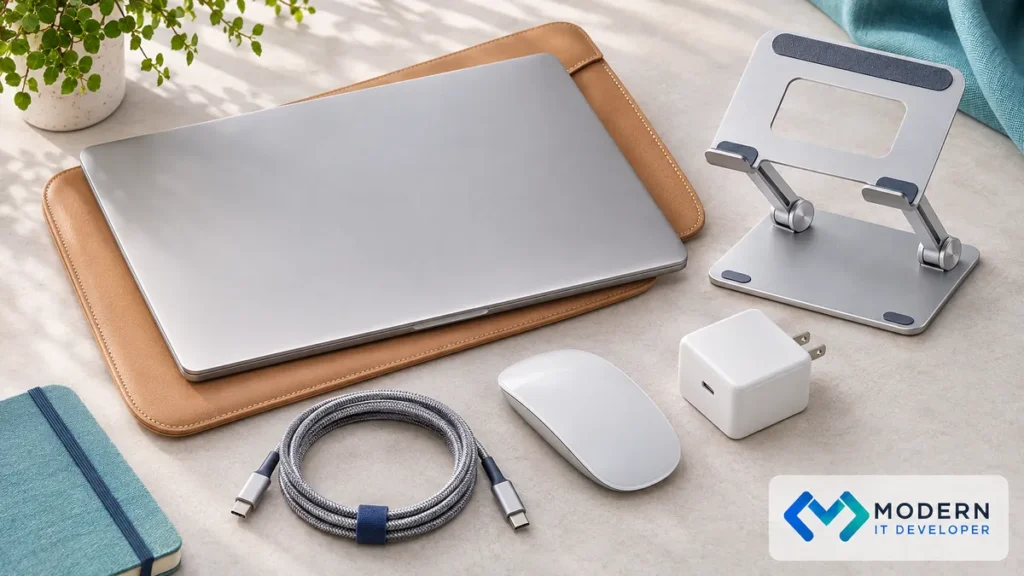
A previous customer may be more interested in accessories or complementary products than another advertisement for their original purchase.
Consider these examples from businesses in Oman:
- Electronics store: Promote protective cases after smartphone purchases.
- Furniture retailer: Recommend matching tables after sofa purchases.
- Automotive business: Advertise accessories or maintenance services after vehicle purchases.
- Home appliance store: Suggest compatible filters or maintenance products after an appliance purchase.
Successful cross-selling depends on compatibility, customer needs, and timing. Avoid suggesting accessories that do not match the purchased product.
The goal is to make the next advertisement genuinely useful.
How to Control Retargeting Frequency and Timing
Even relevant advertisements can become repetitive when customers see them too frequently.
Review impression frequency, audience duration, and the time since the customer’s last purchase. Where supported, apply frequency limits and test different audience membership windows.
For example, a short post-purchase exclusion period may suit frequently purchased items, while durable products often require longer exclusions from same-product advertisements.
For businesses targeting Muscat, consider Arabic and English creative variations based on campaign performance and customer preferences.
How to Measure Retargeting Campaign Performance
Clicks and conversions alone do not reveal whether retargeting campaigns generate additional profit.
Track these metrics:
- Return on ad spend (ROAS)
- Cost per acquisition (CPA)
- Revenue from repeat customers
- Average order value
- Advertising frequency
- Incremental sales and profit
For example, a campaign spending OMR 100 and generating OMR 500 in attributed revenue has a 5× ROAS. However, this figure does not prove that every purchase resulted from advertising.
Compare campaign results with a suitable control group whenever possible to estimate incremental value.
Google Ads also provides customer lifecycle goals that help eligible campaigns prioritize new customer acquisition or customer retention.

Retargeting Ads Optimization Checklist
Before launching or updating your retargeting campaigns, review the following:
- Verify that purchase tracking works correctly.
- Separate recent buyers from potential customers.
- Exclude purchased products where appropriate.
- Create relevant cross-selling audiences.
- Review advertising frequency and audience duration.
- Test Arabic and English advertisements where relevant.
- Measure repeat sales, profitability, and incremental conversions.
Review these settings regularly, especially when introducing new products or changing your promotional strategy.
Conclusion: Spend Less on Repetition, More on Relevance
Effective Retargeting Ads Optimization does not require excluding every existing customer. It requires understanding what customers have already purchased and what they might genuinely need next.
For businesses across Oman, smarter exclusions, relevant cross-selling, and accurate conversion tracking can improve advertising efficiency.
If your campaigns repeatedly reach the wrong audiences, explore professional digital marketing and website optimization solutions to build a more efficient customer acquisition and retention strategy.
Frequently Asked Questions
Should I exclude existing customers from retargeting ads?
Not necessarily. Existing customers can generate valuable repeat purchases. However, excluding recent buyers from advertisements promoting products they already own can reduce unnecessary spending. Instead of excluding these customers from every campaign, create separate audiences for complementary products, maintenance services, and relevant offers based on their purchase history.
How can I stop Google Ads from targeting customers who already purchased?
First, verify that your website correctly tracks completed purchases. Next, create a suitable audience using purchase events or eligible first-party customer data. Apply that audience as an exclusion to relevant campaigns. Review the campaign’s audience settings regularly, because customer matching and tracking limitations mean exclusions cannot guarantee that every previous buyer will be identified.
What is the difference between retargeting and cross-selling?
Retargeting reaches people who previously interacted with your business, regardless of whether they purchased anything. Cross-selling encourages customers to purchase complementary products or services. For example, showing an advertisement for a laptop to someone who viewed it is retargeting. Advertising a compatible laptop bag after that person purchases the laptop combines retargeting with cross-selling.
How often should businesses show retargeting ads?
There is no universal frequency that works for every business. The appropriate number of impressions depends on product type, buying cycle, audience size, and campaign performance. Monitor advertising frequency alongside conversion rates and incremental sales. If repeated impressions increase without meaningful business results, consider adjusting audience duration, creative messaging, or frequency controls where supported.
Can retargeting ads help small businesses in Oman?
Yes. Retargeting can help small businesses in Oman reconnect with potential customers and encourage relevant repeat purchases. Retailers, service providers, and online stores can use previous customer interactions to develop more targeted campaigns. However, effective retargeting requires accurate tracking, appropriate audience segmentation, careful budget management, and compliance with applicable advertising and privacy requirements.
What is the best way to improve retargeting ROAS?
Start by identifying which customer segments generate profitable sales. Remove irrelevant product advertisements, improve purchase tracking, and test complementary offers for existing customers. Measure advertising costs against actual revenue and margins rather than relying only on clicks. Where possible, use controlled experiments to determine whether advertising creates additional purchases that would not otherwise occur.