

Ranking first on Google remains valuable, but search visibility now extends beyond the traditional list of blue links. Dune Seed helps businesses adapt their SEO strategies to changes like Google AI Overviews, where becoming a useful source can matter alongside achieving a high organic position.
Google can now answer complex questions directly within Search while displaying supporting websites that help users explore the subject further. This changes the competitive landscape: your goal is no longer simply to rank for a keyword. Your content also needs to become a trustworthy source that Google’s search systems can retrieve when building an AI-generated response.
How AI Overviews Are Changing Google Search
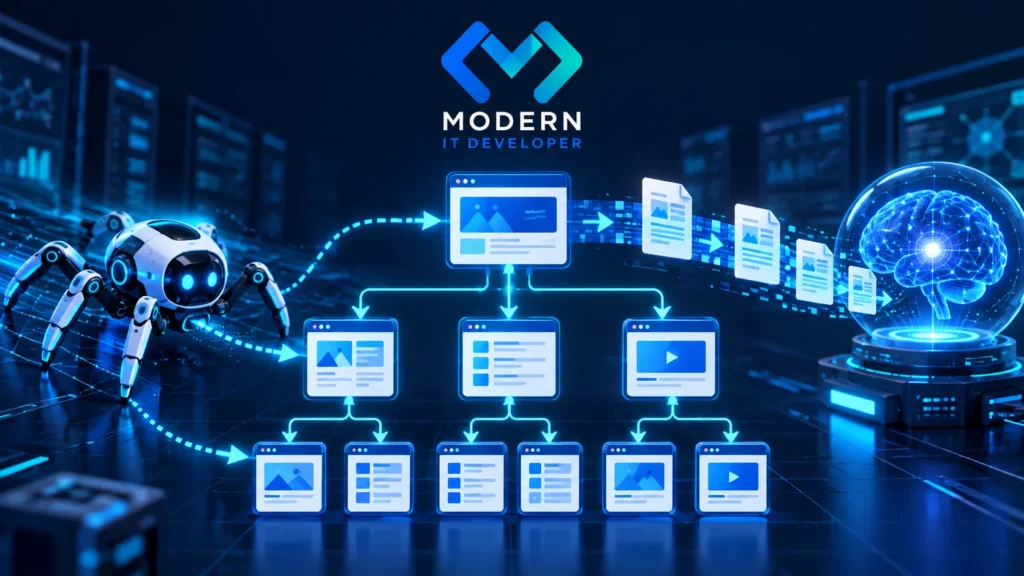
AI Overviews combine information from relevant web sources to answer questions that may otherwise require several searches. Google also uses a process called query fan-out, which can run related searches across multiple subtopics before selecting supporting information.
For SEO teams, this means one query can create several opportunities for discovery. A page that does not occupy the first traditional organic position may still contain the best information for an important sub-question and become useful within an AI-powered search experience.
Ranking #1 Still Matters—But It Is Not Enough
Traditional SEO has not disappeared. Google’s official guidance says its generative AI features remain rooted in its core Search ranking and quality systems. Strong crawling, indexing, relevance, content quality, internal linking, and page experience still matter.
The difference is that success now has more dimensions.
| Traditional SEO Focus | AI Search Opportunity |
|---|---|
| Rank for the main keyword | Answer the main question and related subtopics |
| Win a high organic position | Become a supporting source |
| Optimize mainly for clicks | Build visibility, citations, trust, and clicks |
| Target exact queries | Cover concepts and related user needs |
| Publish comprehensive content | Add original, expert-level value |
The best strategy is not replacing SEO with a new discipline. It is expanding good SEO for a search environment where Google can assemble answers from multiple useful sources.
What Google Looks for in AI Search
Google specifically recommends valuable, non-commodity content. Instead of repeating information already available across dozens of websites, pages should add firsthand experience, expert analysis, original research, examples, comparisons, useful data, or a distinct point of view.
This is particularly important because AI can already summarize generic information efficiently. A basic article explaining “10 SEO tips” offers little that cannot appear elsewhere. A page showing a real technical SEO audit, before-and-after performance results, original testing, or expert interpretation gives both users and search systems something more valuable to reference.
How to Optimize for Google AI Overviews
Start with the user’s real question rather than the keyword alone. Give a clear answer early, then expand into the decisions, problems, comparisons, and follow-up questions a reader is likely to have.
Structure pages so important concepts are easy to locate. Descriptive headings, concise explanations, useful tables, original examples, relevant images, and clearly connected sections help readers navigate complicated subjects. Google also recommends adding high-quality images and video when they genuinely support the content because generative search experiences can surface visual content alongside web links.
Build Trust, Authority, and Original Value
AI search increases the value of information that users can verify and trust. Support important claims with evidence, link to primary sources, keep factual information current, and make it clear who created expert content when authorship matters.
Businesses should also develop information that only they can easily provide: customer insights, experiments, case studies, benchmarks, screenshots, original workflows, expert observations, and lessons from real projects. These assets differentiate a website from thousands of pages that merely rewrite existing search results.
Technical SEO Still Powers AI Visibility
Content cannot become a useful source if Google cannot properly access and understand the page. Google says pages must be indexed and eligible to appear in Search with a snippet before they can qualify as supporting links in generative AI experiences.
Maintain crawlable internal links, correct canonical tags, sensible site architecture, strong mobile usability, reliable performance, and indexable content. Fix orphan pages and important URLs buried deep within the site. Technical SEO may feel less exciting than AI optimization, but it remains the infrastructure that makes AI visibility possible.
Measure AI Overview Visibility
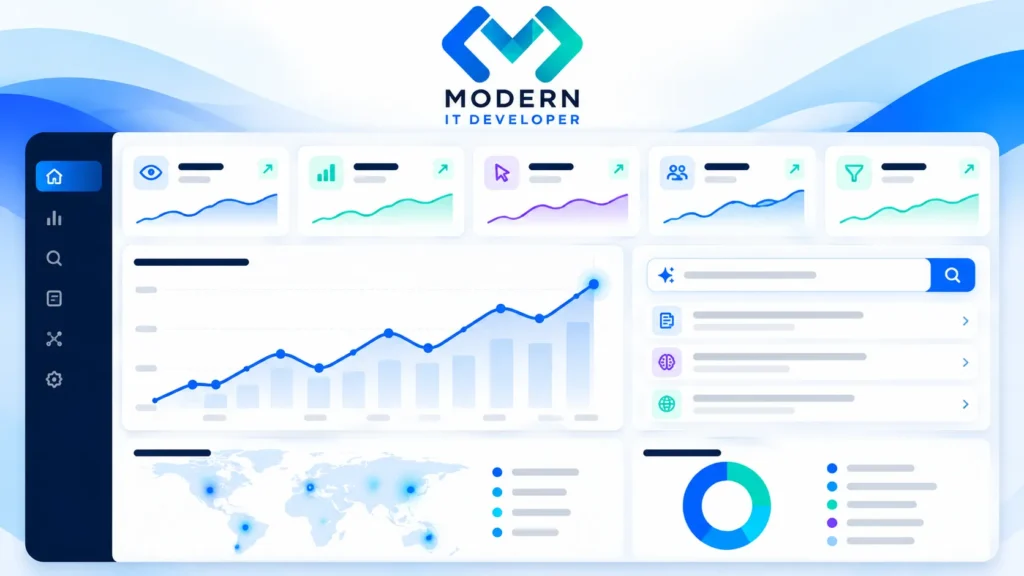
SEO reporting should now look beyond traditional keyword positions. Search Console introduced dedicated Generative AI performance reporting in 2026, providing website owners with additional visibility into impressions generated through Google’s generative AI Search experiences.
Combine this information with organic traffic, engagement, conversions, assisted conversions, branded searches, and landing-page performance. The goal is not simply to appear inside an AI response. The goal is to attract the right audience and turn that visibility into meaningful business results.
What You Do Not Need for AI SEO
Avoid treating AI Overviews as a shortcut-driven ranking system. Google says there is no special schema required for AI search, no requirement to break articles into artificial “AI-friendly chunks,” and no need to rewrite every page specifically for generative systems. Google also states that llms.txt does not improve visibility in Google Search.
Terms such as AEO and GEO can be useful for describing changing search behavior, but the fundamentals remain familiar: make pages technically accessible, understand the audience, demonstrate expertise, and publish information worth retrieving.
Conclusion: Optimize to Become the Answer
Ranking #1 still matters, but it should no longer be the only finish line.
Modern SEO should aim to create pages that Google can rank, users can trust, and AI search systems can reference when answering complex questions. Focus on original expertise, clear answers, strong technical foundations, useful multimedia, and measurable business outcomes.
The sites that succeed in AI-powered search will not simply target more keywords. They will become better sources.
Frequently Asked Questions
What is AI Overviews SEO?
AI Overviews SEO is the process of improving a website's ability to appear as a useful source within Google's AI-generated search experiences. It largely relies on traditional SEO fundamentals such as crawlability, relevance, authority, useful content, and strong technical structure rather than a completely separate optimization system.
How do I optimize content for Google AI Overviews?
Focus on answering real user questions clearly, covering related subtopics naturally, and providing information beyond generic summaries. Add original expertise, examples, evidence, relevant visuals, and trustworthy sources while ensuring the page remains crawlable, indexed, and technically sound.
Do I need to rank #1 to appear in AI Overviews?
Not necessarily. Google may use query fan-out to retrieve information related to different aspects of a question. This can create opportunities for relevant pages beyond the first traditional result, although strong SEO visibility and quality signals remain important.
Is GEO replacing traditional SEO?
No. GEO, or generative engine optimization, describes optimization for AI-powered discovery, but Google's generative Search experiences remain connected to its existing Search systems. Strong SEO fundamentals therefore continue to form the foundation of visibility.
Does structured data help with AI Overviews?
Structured data remains useful for helping Google understand certain page entities and enabling supported rich-result features. However, there is no special structured data or schema markup required specifically to appear within AI Overviews or AI Mode.
Does llms.txt help websites rank in Google AI Overviews?
According to Google's current guidance, no. Google Search does not use llms.txt as a special signal for rankings or generative AI visibility. Creating one for another AI service is possible, but it should not replace technical SEO, useful content, or crawlability work.
How can I track AI Overview SEO performance?
Use Google's Generative AI performance reporting in Search Console alongside standard Search Console and analytics data. Monitor visibility, landing pages, organic traffic, engagement, conversions, and branded demand rather than judging success only through keyword rankings.