

SEO isn’t just about content or keywords. Before investing, your website needs a solid technical and analytical foundation. Without proper prep, even the best strategies may fail.
Dune Seed boosts online visibility through SEO, digital marketing, and website optimization. Proper website prep before SEO ensures search engines understand your site and enhances visitor experience.

Search engine optimization (SEO)
Search engine optimization boosts website traffic by refining content and code to improve rankings. A pre-launch SEO checklist helps businesses start strong even before their site goes live.
SEO Before a Website Launch
Prioritizing SEO before launching a website can simplify future efforts and speed up attracting customers, securing sales, and generating revenue.
Why Preparation Matters Before SEO
A prepared website gives search engines clearer signals and helps marketers measure results. Complete essential steps before optimizing keywords and content.
| Preparation Step | Why It Matters |
|---|---|
| Google Search Console | Helps monitor indexing and search performance |
| Google Business Profile | Improves local visibility |
| Bing Webmaster Tools | Expands search engine coverage |
| Website Speed Optimization | Improves user experience |
| Google Analytics | Tracks visitor behavior |
| Page Titles | Helps search engines understand pages |
| Website Backup | Protects website data |
| SSL Security | Builds trust and protects users |
1. Set Up Google Search Console
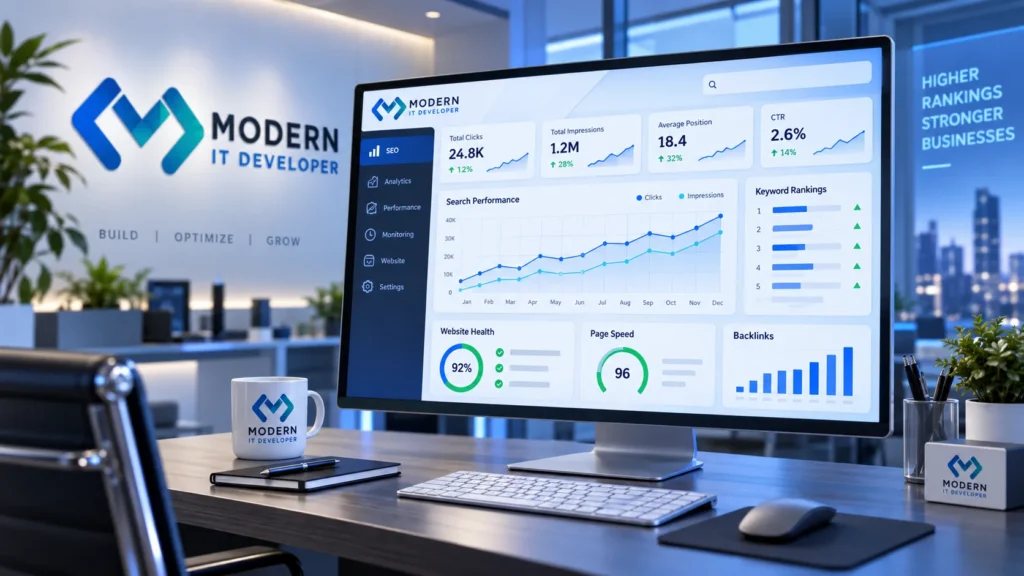
Google Search Console is one of the most important tools to set up before starting SEO, as it provides valuable information about how Google discovers, crawls, and indexes your website.
With this tool, you can identify indexing problems, monitor search impressions, check which keywords bring visitors, and understand technical issues that may affect rankings.
2. Create Google Business Profile
For businesses that serve specific locations, Google Business Profile is essential. It helps companies appear in local search results and Google Maps when customers search for relevant services.
A complete profile should include accurate business information, opening hours, photos, services, and customer reviews. Local SEO becomes much easier when Google clearly understands your business location and category.
3. Connect Bing Webmaster Tools
Although Google dominates search traffic, Bing still represents an additional opportunity for website visibility; Bing Webmaster Tools also provides insights similar to Google Search Console.
By connecting your website, you can monitor indexing status, identify technical problems, and discover additional search opportunities. Setting it up early requires little effort, though it creates another channel for organic growth.
4. Improve Website Speed
Website speed has a direct impact on user experience and can significantly influence SEO performance. Visitors expect web pages to load quickly, and slow-loading sites typically see higher bounce rates.
Before implementing SEO strategies, it’s essential to test your website’s performance and optimize key elements such as images, hosting quality, caching systems, and any unnecessary scripts.

| Speed Improvement | Benefit |
|---|---|
| Image compression | Faster page loading |
| Better hosting | Improved server response |
| Browser caching | Reduced loading time |
| Script optimization | Better performance |
5. Install Google Analytics
SEO decisions should always be based on real user data. Google Analytics allows website owners to understand where visitors come from, which pages perform well, and how users interact with the website.
Launching without them is flying blind, with no benchmarks or early warnings if issues arise. Verify the property, submit the sitemap, and ensure data flows on launch day, not weeks later.

6. Optimize Page Titles
Page titles are among the first elements search engines and users see. A clear, descriptive title helps Google understand a page’s topic and encourages users to click.
Every important page should have a unique title that naturally includes relevant keywords. Avoid creating titles only for search engines; they should also clearly communicate value to visitors.
7. Create Website Backup Systems
Consider website security and data protection before SEO work begins. Losing website content, pages, or technical settings can damage months of optimization efforts.
A reliable backup system is especially important for websites that publish content regularly or receive online transactions.
8. Protect Your Website With SSL Security
SSL security is a basic requirement for modern websites. Websites using HTTPS provide encrypted connections between users and servers, improving trust and safety.
Before investing in SEO, confirm that your website has an active SSL certificate and that all pages properly redirect from HTTP to HTTPS.
Security issues can negatively affect user confidence and create technical problems that limit SEO growth.

Conclusion
Google is a fully automated search engine that uses programs called crawlers to constantly explore the web, looking for pages to add to its index.
A well-prepared website is easier for search engines to understand and for users to navigate. Explore professional SEO and optimization strategies to boost your online visibility.