
Creating strong product visuals is harder than it looks. At Dune Seed, we often see brands invest in good products but struggle to present them in a way that feels polished, persuasive, and ready for modern digital marketing. That is where well-written product image prompts can make a real difference.
Furthermore, The right prompt guides AI to generate visuals aligned with your campaign, brand, and product, focusing output on e-commerce banners, promotional creatives, lifestyle scenes, or premium images to boost conversions.
Why product image prompts matter
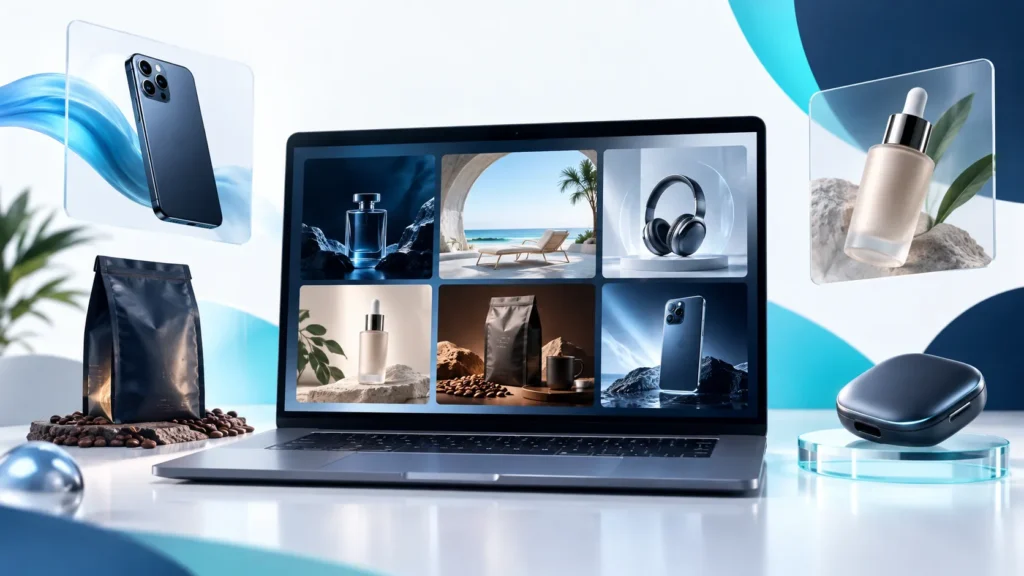
A good product image does more than look attractive; it helps customers understand, imagine using it, and trust the brand. Vague visuals often look generic, but a structured prompt makes images more targeted and useful.
Additionally, strong product image prompts also save time. They reduce back-and-forth revisions, improve consistency across campaigns, and give marketers a repeatable system for generating visuals for ads, landing pages, marketplaces, and social media content.
Quick comparison of the 10 product image prompts
To better understand the differences, the following table shows the best use cases and visual styles for each product image prompt.
| Prompt | Best For | Visual Style |
|---|---|---|
| Festival Ad | Holiday campaigns and sales | Festive, colorful, promotional |
| Product Pop Up Installation | Retail and experiential marketing | 3D, branded, immersive |
| Clean Studio Shot | Product listings and catalogs | Minimal, clean, high-clarity |
| Luxury Pedestal Showcase | Premium products | Elegant, dramatic, refined |
| Lifestyle In-Use Scene | Social proof and relatability | Natural, real-world, warm |
| Ingredient or Material Spotlight | Beauty, food, wellness, craft products | Informative, textured, close-up |
| Before-and-After Comparison | Benefit-driven products | Clear, comparative, persuasive |
| Seasonal Campaign Banner | Time-based promotions | Timely, thematic, campaign-led |
| Exploded View Feature Focus | Technical or complex products | Detailed, structured, educational |
| Ecommerce Hero Banner | Homepage and landing pages | Clean, commercial, conversion-focused |
When to use Claid.ai with Chat CPT
Claid.ai is LetsEnhance’s sister product, built specifically for e-commerce image generation and product photography workflows. It’s especially useful when you need to produce 2K and 4K visuals for products, campaigns, or SKUs.
/festival ad
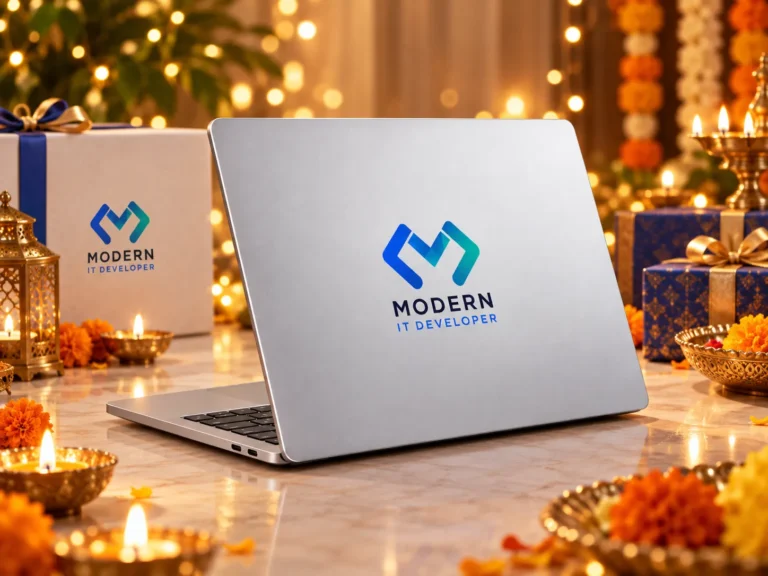
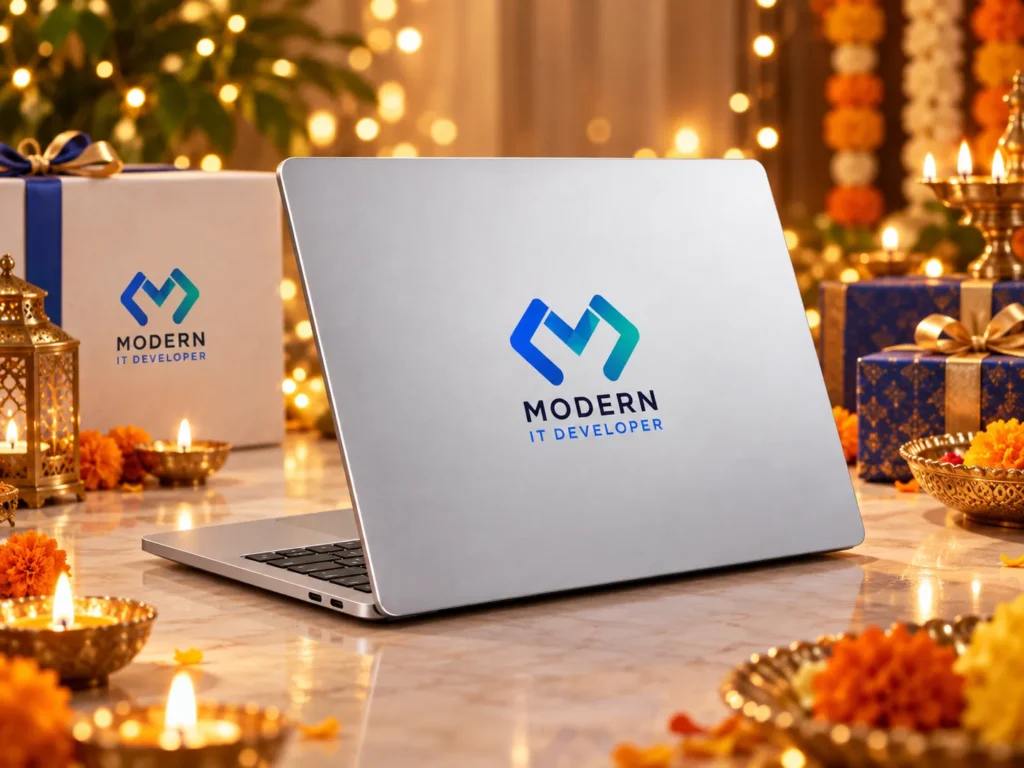
Use this when you want your product to feel campaign-ready for holidays, celebrations, or limited-time offers. It works especially well for cosmetics, gifts, food, fashion, and packaged products.
Prompt: “Create a premium festival ad for [product], placing the product at the center with elegant festive decorations, soft cinematic lighting, celebratory atmosphere, brand-relevant color palette, realistic shadows, high detail, polished commercial style, clean background, no text.”
/product pop up installation
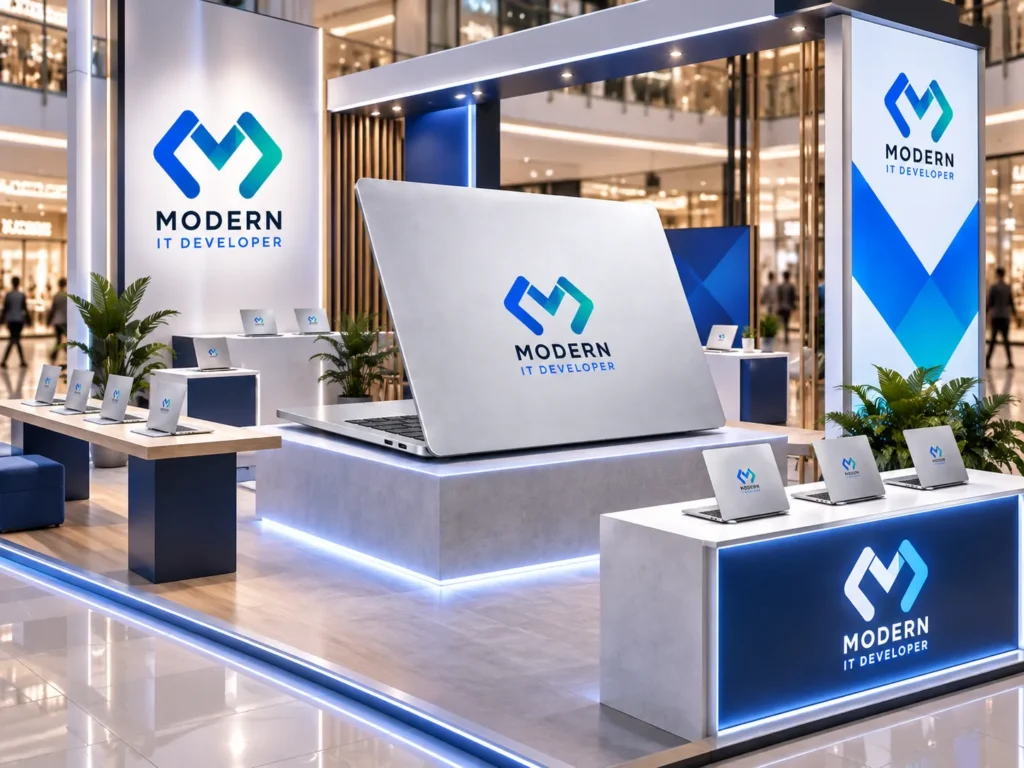
This prompt is ideal for brands that want a larger-than-life visual, as if the product were part of a physical promotional setup in a mall, event, or storefront.
Prompt: “Create a product pop up installation concept for [product], showing a stylish branded display booth with the product enlarged as the hero object, immersive environmental design, premium materials, realistic 3D installation look, balanced lighting, modern retail presentation.”
/clean studio shot
Choose this for product pages, catalogs, and marketplaces where clarity matters more than decoration. It keeps attention on the product itself and supports a more professional ecommerce presentation.
Prompt: “Create a clean studio shot of [product] on a simple seamless background, centered composition, soft diffused lighting, realistic reflections, sharp edges, high-detail commercial photography style, minimal props, premium product focus, no text.”
/luxury pedestal showcase
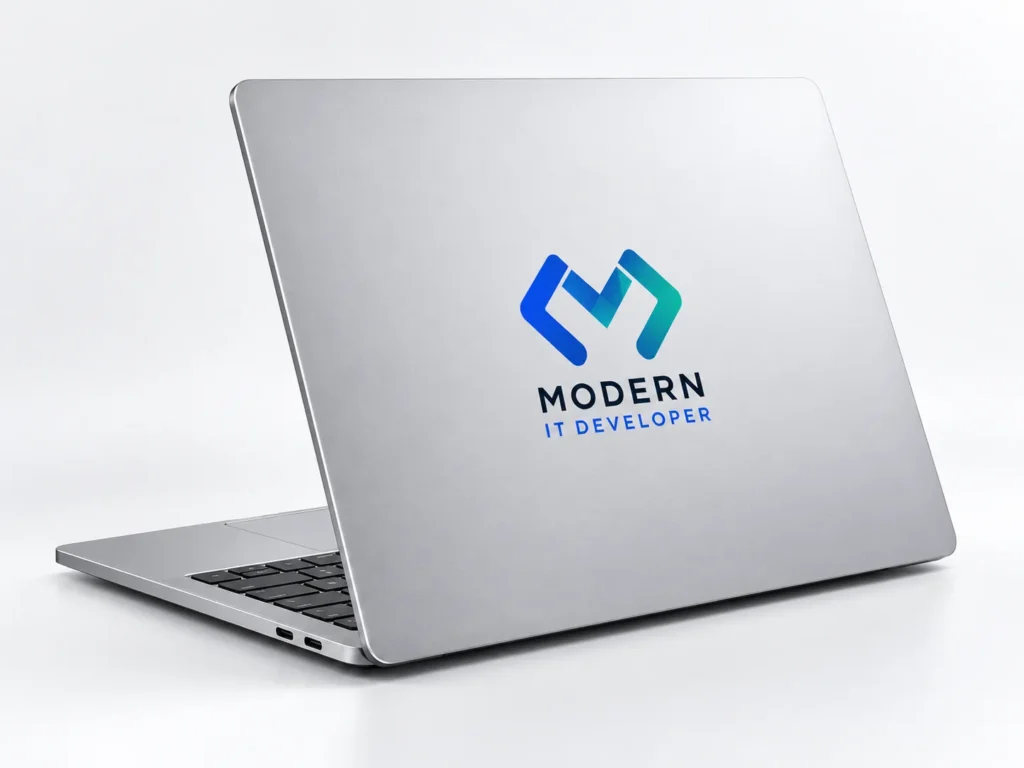
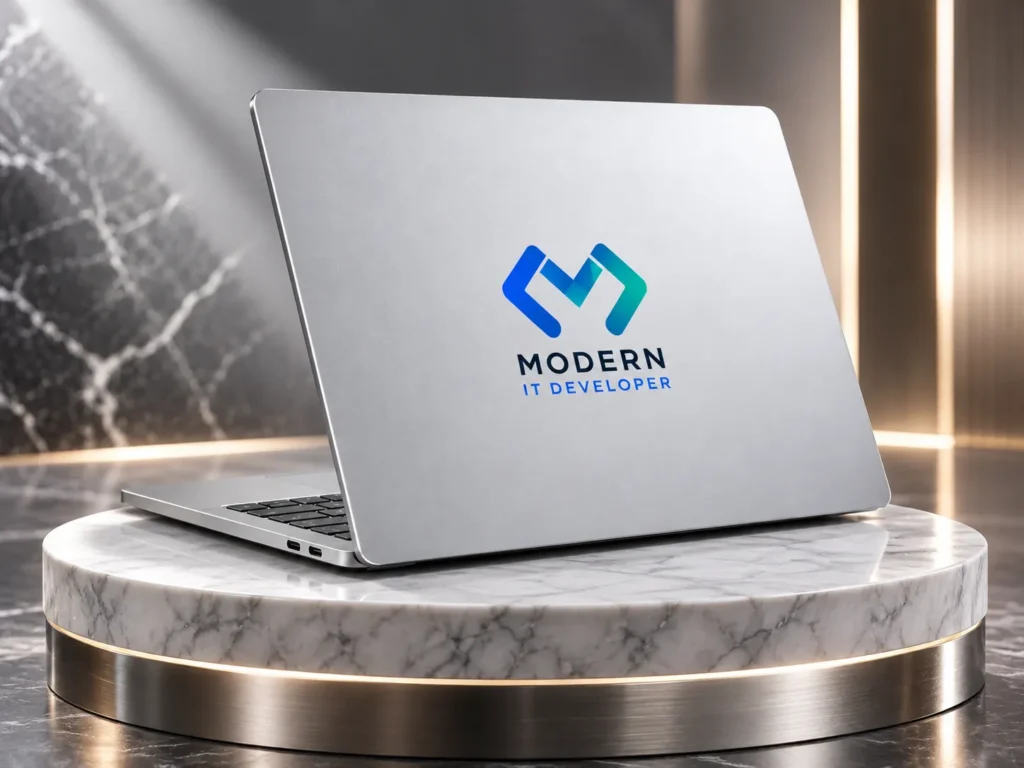
This is useful when the product needs to feel expensive, exclusive, or aspirational. It fits skincare, watches, perfumes, jewelry, and high-end packaging.
Prompt: “Create a luxury pedestal showcase for [product], placing it on an elegant pedestal with dramatic soft lighting, refined shadows, premium textures such as marble or brushed metal, upscale commercial look, sophisticated composition, no text.”
/lifestyle in-use scene
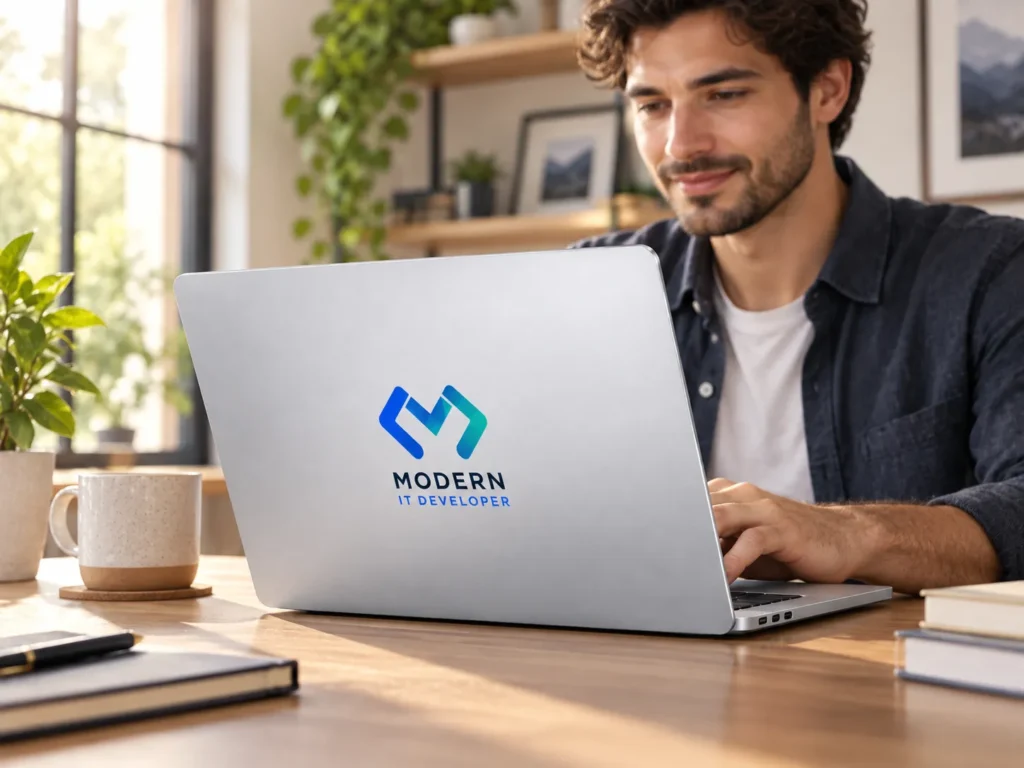
Lifestyle visuals help customers imagine the product in a real situation. As a result, they often feel more authentic and can support stronger engagement on social media and landing pages.
Prompt: “Create a lifestyle scene featuring [product] in use, natural environment, realistic human interaction if relevant, warm lighting, believable setting, polished brand-friendly styling, clean composition, commercial photography quality, no text.”
/ingredient or material spotlight
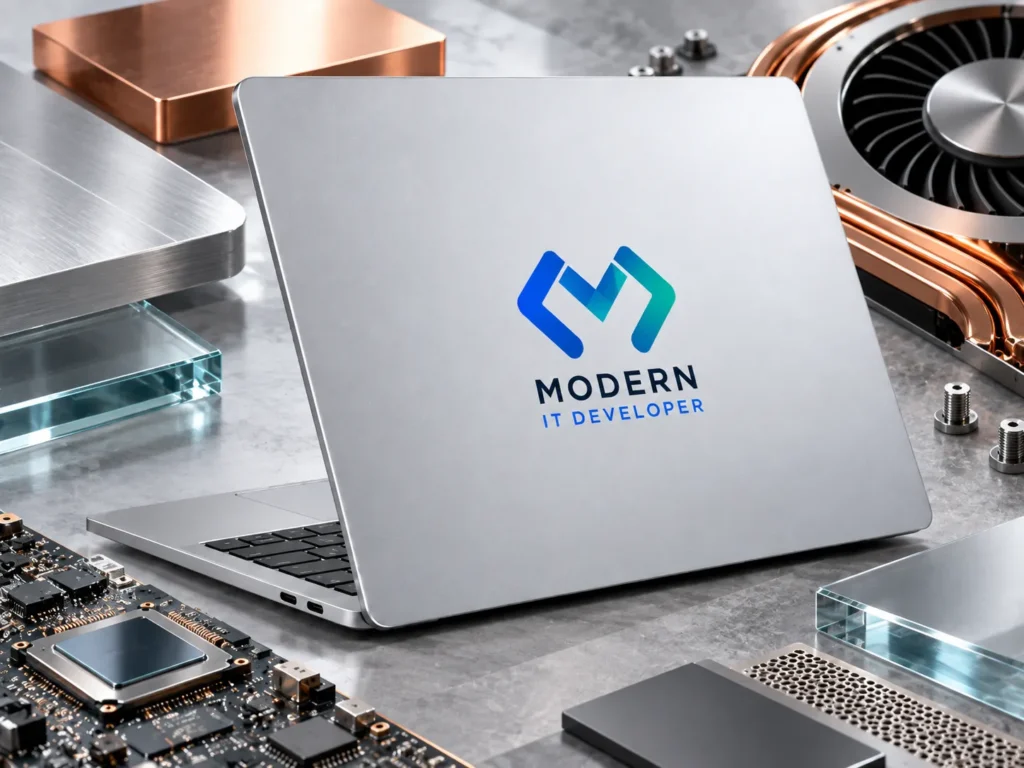
This prompt works well when the product’s ingredients, materials, or craftsmanship are a major selling point. It adds visual context without overwhelming the hero product.
Prompt: “Create a product image for [product] with its key ingredients or materials visually highlighted around it, balanced arrangement, textured close-up details, soft premium lighting, clean composition, realistic commercial style, no text.”
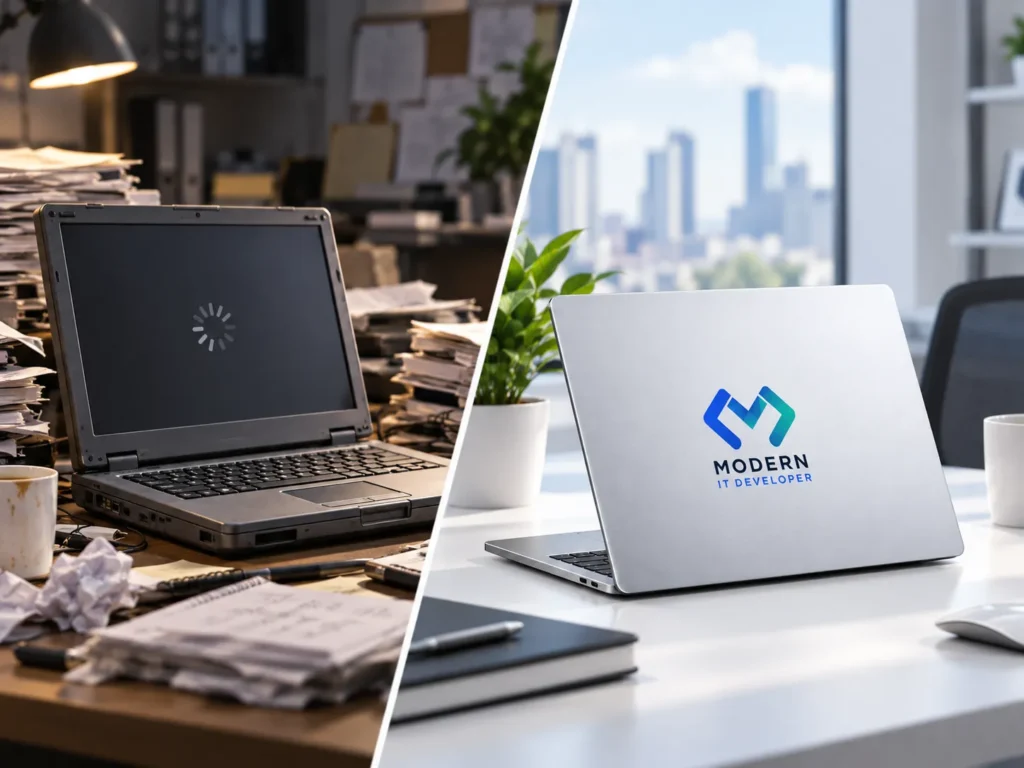
/before-and-after comparison
If your product solves a visible problem, a before-and-after concept can communicate value quickly. This is especially effective for cleaning, beauty, repair, or organization products.
Prompt: “Create a before-and-after comparison image for [product], split composition showing the problem on one side and the improved result on the other, product clearly visible, realistic lighting, clean commercial layout, persuasive but natural visual storytelling, no text.”
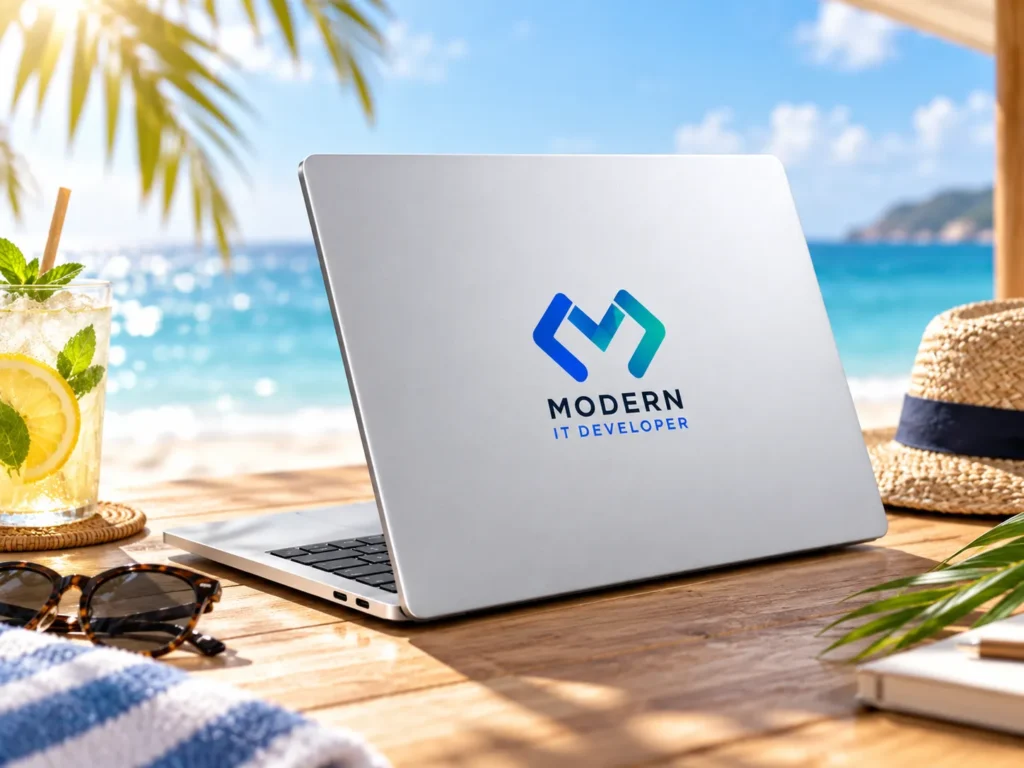
/seasonal campaign banner
This prompt is useful for keeping campaigns fresh throughout the year. It helps the same product feel relevant in summer, winter, back-to-school, Ramadan, or other seasonal moments.
Prompt: “Create a seasonal campaign visual for [product], designed around [season or event], with tasteful thematic elements, balanced composition, commercial banner style, polished lighting, product as the clear focal point, premium marketing look, no text.”
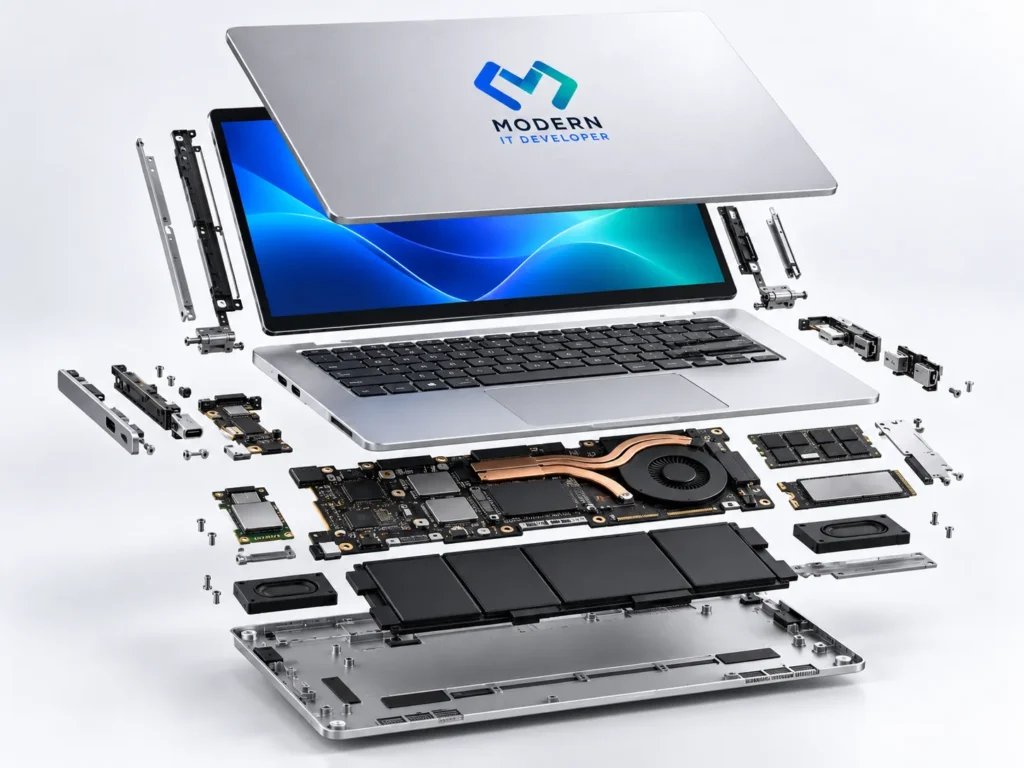
/exploded view feature focus
Technical products often need more than beauty. This prompt helps explain what the product includes, how it is built, or which parts make it useful.
Prompt: “Create an exploded view feature image for [product], showing separated components in a clean organized arrangement, realistic 3D detail, technical clarity, premium lighting, high-end commercial visualization style, clean background, no text.”
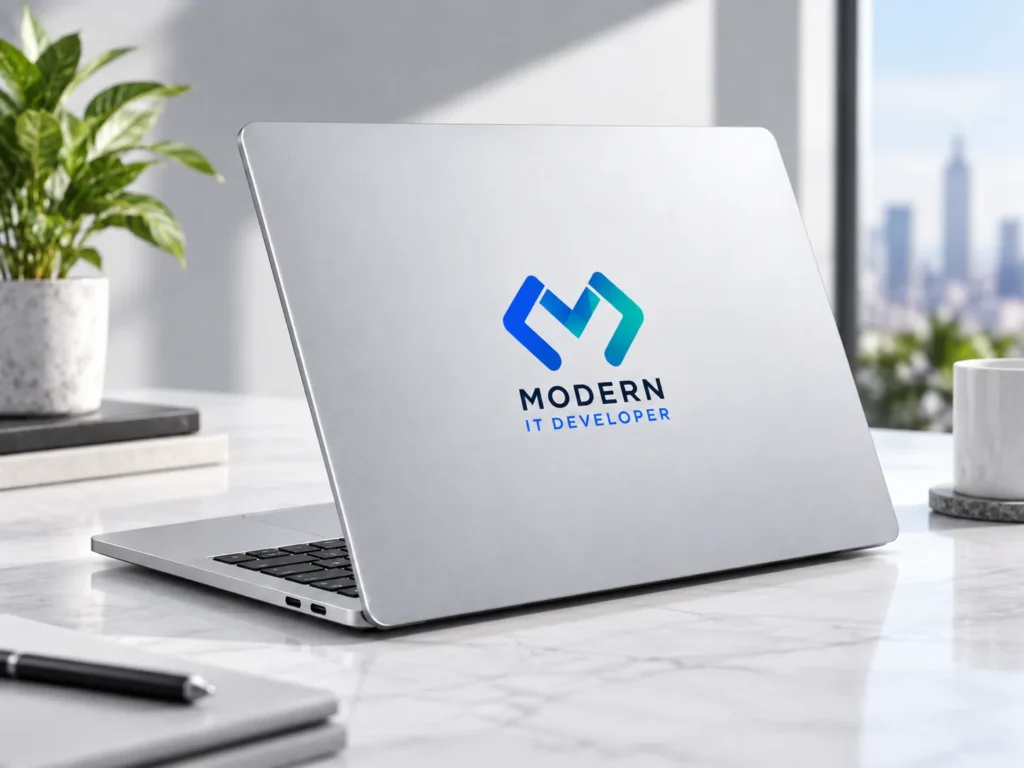
/ecommerce hero banner
This is one of the most practical product image prompts because it is built for homepages, category pages, and conversion-focused landing sections.
Prompt: “Create an ecommerce hero banner image for [product], with the product prominently displayed, clean premium background, subtle supporting props, modern commercial aesthetic, strong focal hierarchy, soft lighting, high detail, website-ready composition, no text.”
How to get better results from product image prompts
The best prompts include five elements: product type, setting, lighting, composition, and style. You can also add brand colors, material details, camera angle, and realism level for more consistency—the more intentional your description, the more consistent the output.
It also helps to think about the final use case first. A marketplace image, a homepage banner, and an Instagram ad should not all look the same. When you match the prompt to the business goal, your visuals become more strategic rather than simply decorative.
Conclusion
Using better image prompts enhances product presentation in ecommerce, advertising, and social media. Begin with a clear marketing goal, select a suitable prompt style, and refine the output to match your brand. Use SEO, ecommerce, and website tools to convert attractive images into measurable growth.
FAQ Section
What are product image prompts?
Product image prompts are written instructions used to generate product visuals with AI image tools. They define what the product should look like, where it should appear, how it should be lit, and what overall style the image should follow. A good prompt reduces randomness and improves relevance.
How detailed should a product image prompt be?
A product image prompt should be specific enough to guide the result without becoming cluttered. In most cases, include the product, setting, composition, lighting, visual style, and campaign goal. If the brand has clear colors or a premium look, adding those details can improve consistency.
Can these prompts be used for ecommerce stores?
Yes. Many of these prompts are especially useful for ecommerce. Clean studio shots, ecommerce hero banners, and lifestyle scenes are strong options for product pages, category pages, and promotional landing pages. They can help improve product presentation and make listings more visually engaging.
What is the difference between a studio prompt and a lifestyle prompt?
A studio prompt focuses on the product in a controlled and minimal environment, which is ideal for clarity and catalog-style presentation. A lifestyle prompt places the product in a realistic setting so buyers can imagine how it looks or works in everyday use.
Do AI-generated product images help SEO?
AI-generated images do not improve SEO by themselves. However, they can support SEO when they improve page quality, user engagement, and product presentation. To get the most value, pair strong visuals with fast-loading pages, descriptive alt text, and well-optimized product content.
Should AI-generated product images be edited before publishing?
In many cases, yes. Even when the image is strong, small edits can improve brand alignment, product accuracy, and overall quality. Reviewing lighting, proportions, packaging details, and background consistency helps ensure the final visual is ready for commercial use.